
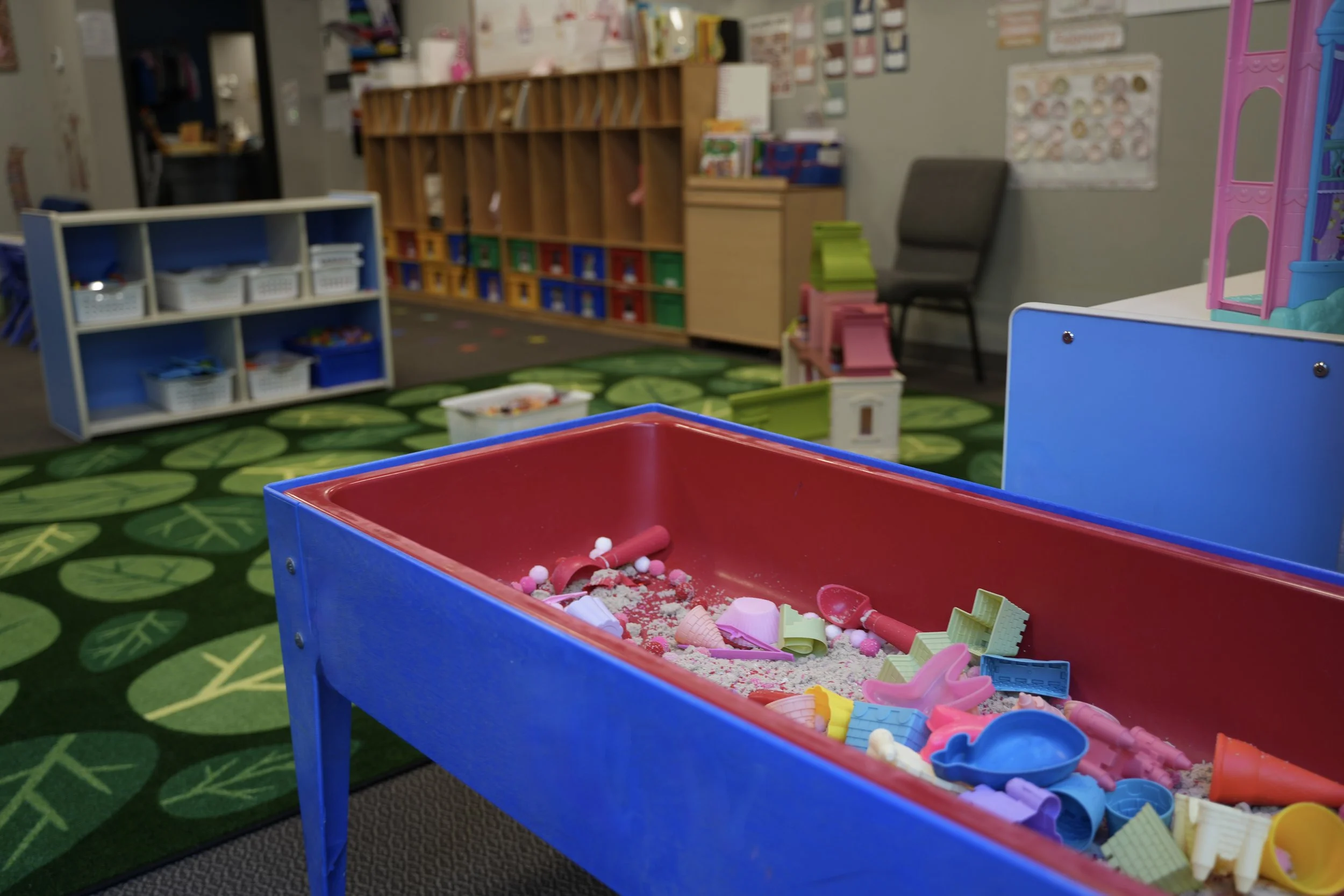
When adults think about play, it can sometimes look like “just having fun.” But for young children, play is much more than entertainment — play is how children learn, grow, and understand the world around them.
During the first five years of life, children’s brains are developing rapidly. Every block stacked, pretend meal cooked, and game of chase played helps build important skills that support lifelong learning and emotional well-being.
Why Play is so Important in Early Childhood
Play supports nearly every area of development. Through play, children practice skills they will use for the rest of their lives.
🧠 Cognitive Development
Play encourages problem-solving, creativity, and curiosity. When children experiment with toys, puzzles, or pretend scenarios, they learn how things work and how to think independently.
🗣️ Language Development
Talking during play helps children build vocabulary and communication skills. Conversations during playtime teach children how to express ideas, ask questions, and understand others.
❤️ Social and Emotional Growth
Play allows children to practice sharing, taking turns, and managing emotions. Pretend play especially helps children work through real-life experiences and feelings.
🏃 Physical Development
Running, climbing, building, and dancing strengthen muscles, coordination, and balance while supporting overall health.
Simply put — play is a child’s most important work.
The Parents’ Role in Play
Parents do not need to entertain children constantly or create elaborate activities. What children want most is your presence and attention.
When parents join play, children feel valued and connected. Even short moments of engaged play can strengthen your relationship and boost your child’s confidence.
Remember: you don’t need to do it perfectly — just be involved.
Easy Ways to Play with Your Child
Follow Your Child’s Lead
Let your child choose the activity and guide the play. This builds independence and creativity.
Try saying:
“What are we playing today?”
“Show me how this works!”
Get Down on Their Level
Sit on the floor, make eye contact, and enter their world. This simple change makes play feel more meaningful to young children.
Use Everyday Moments
Play does not require special toys. Daily routines can become playful learning opportunities:
Cooking together and pretending to be chefs
Sorting laundry by color
Singing songs during bath time
Turning cleanup into a race or game
Encourage Imagination
Pretend play builds creativity and emotional understanding.
You can:
Be a customer in their pretend store
Attend a stuffed animal tea party
Pretend to be animals or superheroes
Build forts or obstacle courses
There is no right or wrong way — imagination is the goal.
Talk During Play
Narrate what you see and ask open-ended questions:
“I see you built a tall tower!”
“What happens next?”
“How did you make that?”
This strengthens language skills naturally.
Keep Play Simple
Children do not need expensive toys or packed schedules. In fact, open-ended materials like blocks, crayons, dolls, and outdoor spaces often encourage deeper learning than electronic toys.
Unstructured playtime allows children to explore, think, and create on their own.
Making Time for Play in Busy Days
Parents are busy, and long play sessions are not always realistic. The good news is that quality matters more than quantity.
Even 10–15 minutes of focused, distraction-free play each day can:
Reduce behavior challenges
Strengthen attachment
Increase cooperation
Help children feel emotionally secure
Put phones aside, follow your child’s lead, and enjoy the moment together.
A Gentle Reminder for Parents
Play is not extra — it is essential. When you laugh, pretend, build, and explore alongside your child, you are helping shape their confidence, creativity, and love of learning.
The memories you create during playtime become the foundation of the connection your child carries into the future.
So sit on the floor, be a little silly, and remember to your child, playing with you is the best toy they have.